Sports Gym Bag vs Duffel Bag A Manufacturer's Guide to Choosing the Right Gym Bag Design

When sourcing bags for retail, fitness brands, or corporate clients, one of the most common questions is: Sports gym bag or duffel bag — which one should I stock?


At first glance, they look similar. But as a bag manufacturer with years of experience in the active lifestyle market, we can tell you: the difference goes far beyond appearance. Understanding it is essential to offering products that truly meet your customers' needs.

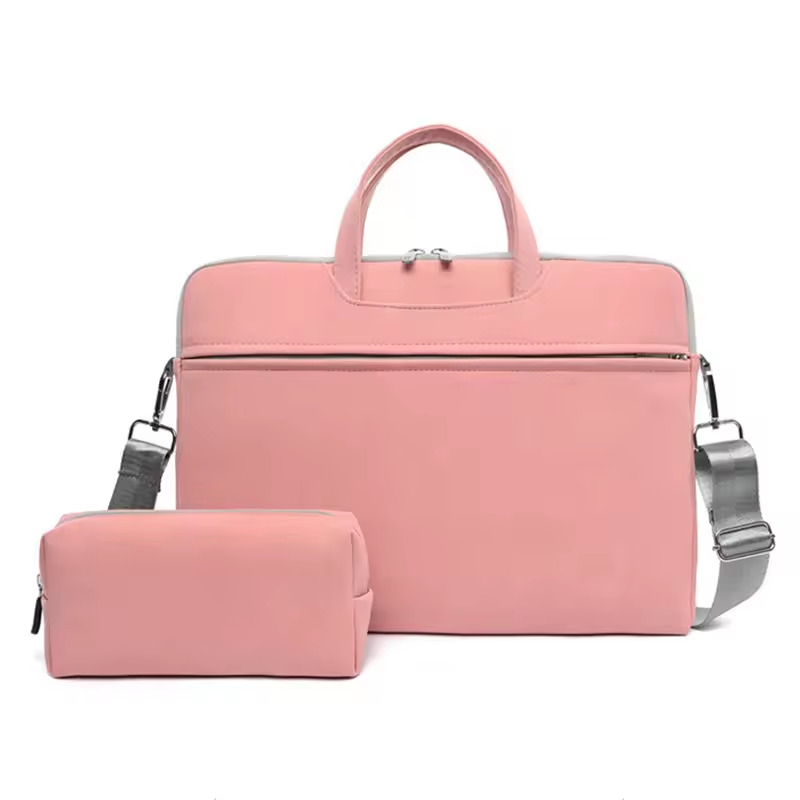
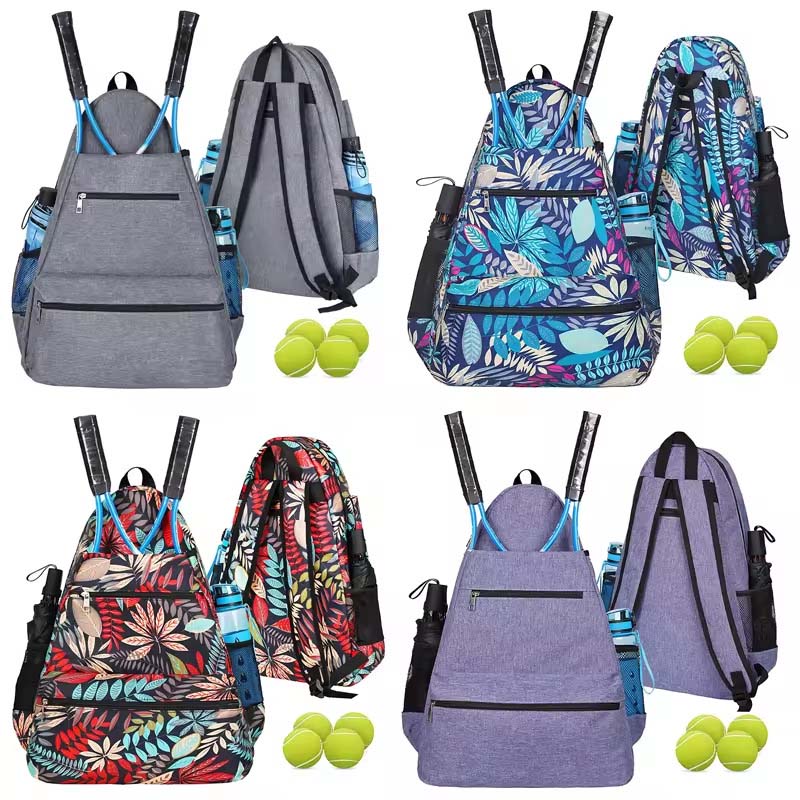
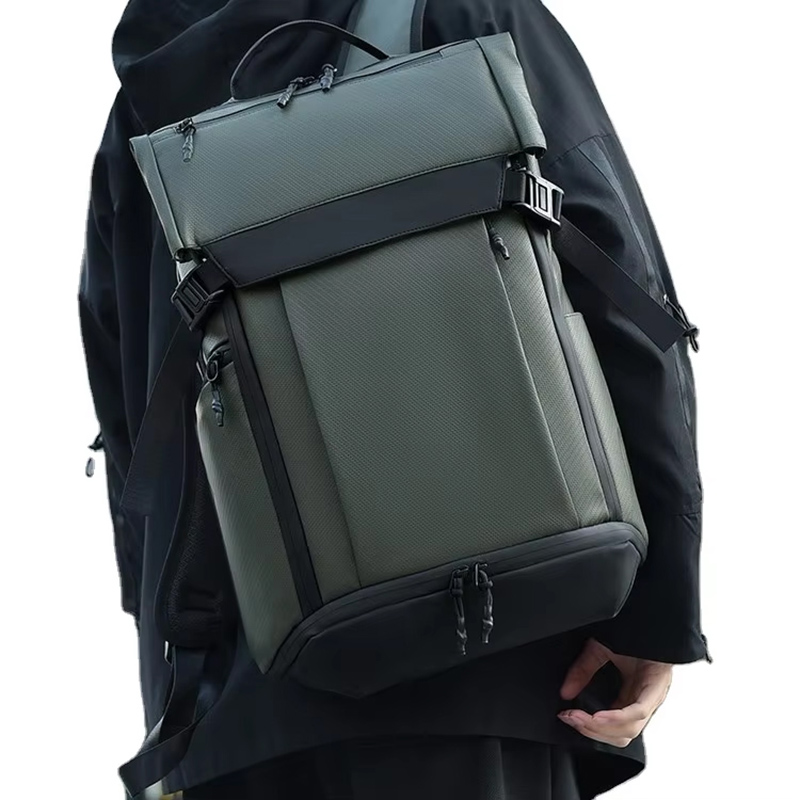
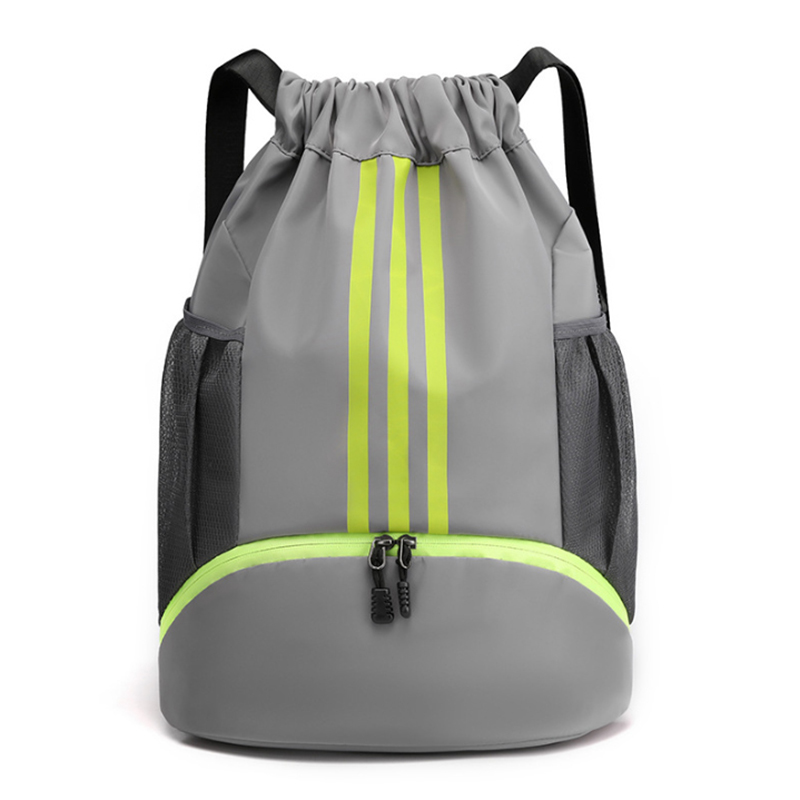
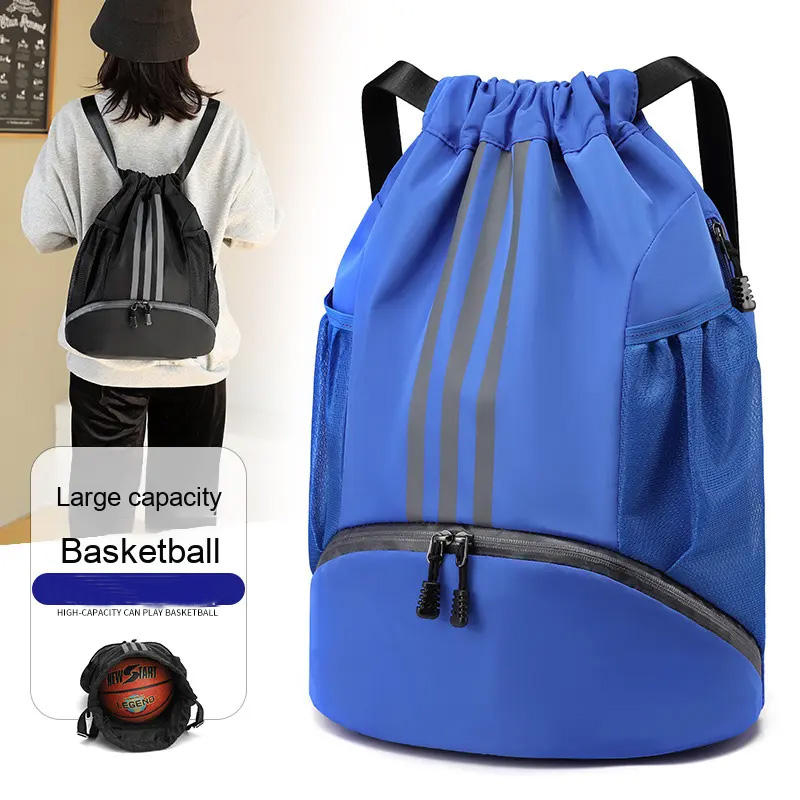
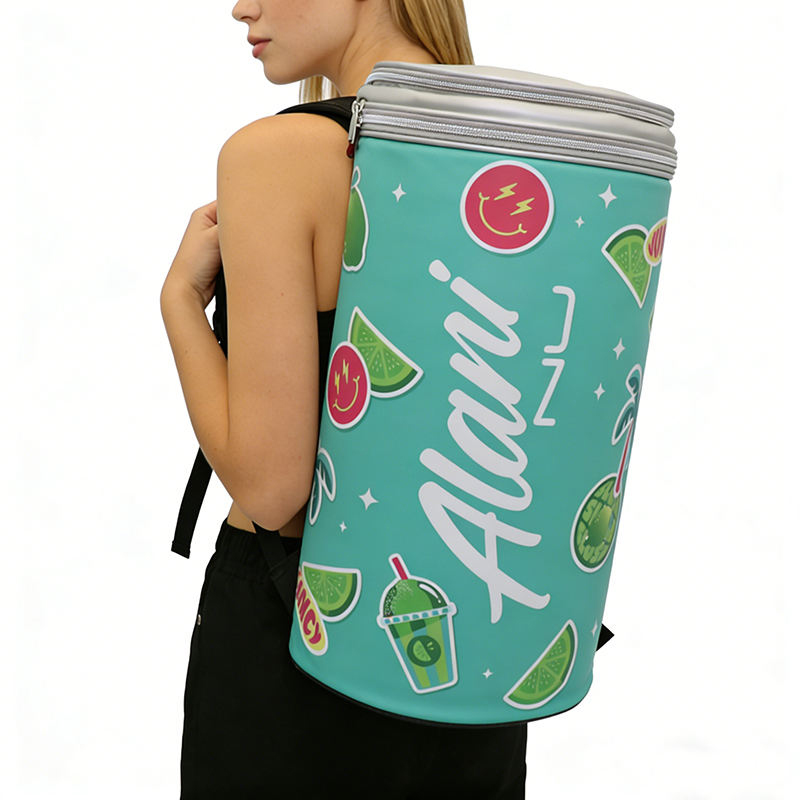
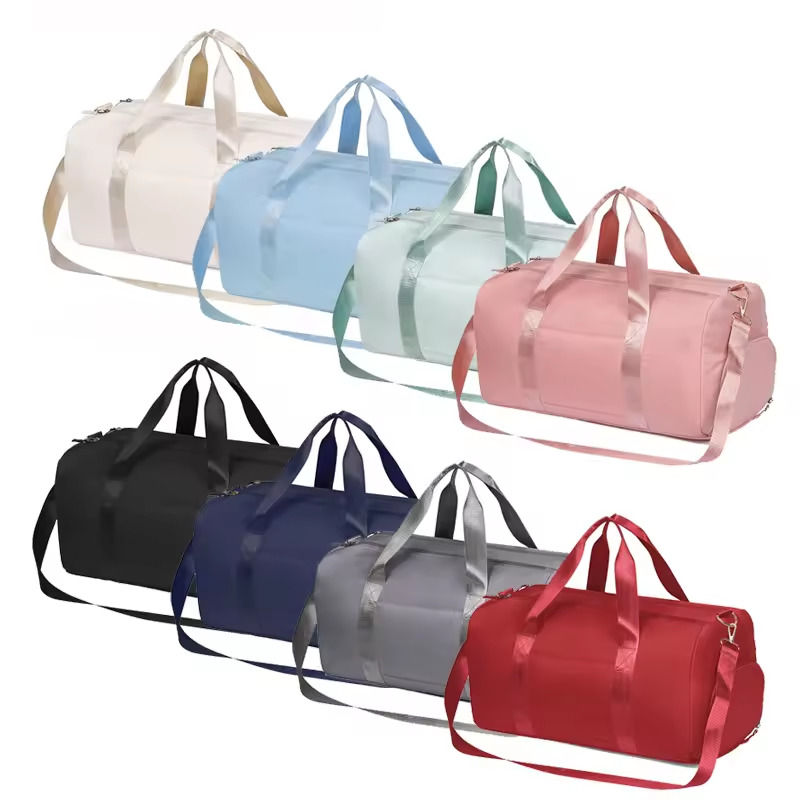
Sport Tote Overnight Yoga Duffel Bags

What Defines a Sports Gym Bag?

A sports gym bag is engineered for athletic functionality. As industry professionals, we design these bags with specific user scenarios in mind:

  • Separate shoe compartments — prevents sweat and dirt from contaminating clean clothes. This is a feature gym-goers consistently tell us they value most.
  • Ventilated wet/dry pockets — essential for swim gear, post-workout towels, or muddy training shoes. We use breathable mesh materials tested for rapid moisture evaporation.
  • Ergonomic carrying options — many gym bags now include padded backpack straps for hands-free carrying, a design shift driven by commuter-athlete feedback over the past five years.
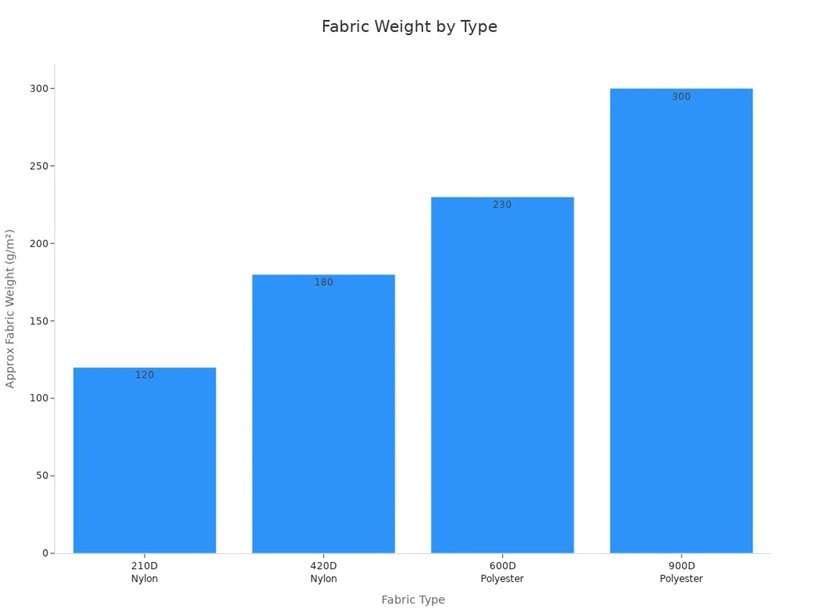
  • Durable water-resistant fabrics — typically 600D or 840D nylon with PU coating, tested to withstand repeated exposure to sweat and damp environments.

These are not generic bags. They are purpose-built tools for people who train five to six days a week and need their gear organized and accessible.


What Defines a Duffel Bag?

The duffel bag is the original carryall — a design that has evolved over centuries but remains valued for its simplicity and capacity.

Key characteristics from a manufacturing perspective:

  • Single large compartment — maximizes packing volume. This design is preferred by travelers and weekenders who prioritize raw capacity over organization.
  • Heavy-duty construction — we typically use 16 oz canvas, full-grain leather, or 1200D polyester for duffels. The material choice directly impacts weight, durability, and price point.
  • Minimalist pocket layout — usually one exterior zip pocket and one interior slip pocket. This keeps production costs lower and appeals to customers who dislike over-engineered bags.
  • Versatile carry system — detachable shoulder strap plus reinforced top handles. This dual-carry design has been our customers' most requested feature across duffel bag projects.

A well-made duffel bag is an investment piece. It's designed to last for years and work across multiple contexts — gym, travel, daily carry.


Key Differences at a Glance

Aspect Sports Gym Bag Duffel Bag
Primary Use Case High-frequency gym & sports training Travel, weekend trips, occasional gym
Compartment Strategy Multi-compartment, specialized zones Single large compartment
Typical Materials 600D–840D nylon, polyester, mesh Canvas, leather, 1200D+ polyester
Moisture Management Ventilated panels, waterproof linings Minimal; relies on separate pouches
Carry Options Backpack straps + handles (often both) Shoulder strap + handles
Target End User Dedicated athlete / daily gym member Traveler / minimalist / multipurpose user
Price Range (Wholesale) $15–$40 $12–$60 (wide range by material)


Sourcing Recommendation: Which Should You Choose?

Go with sports gym bags if your customers:

  • Are fitness-focused and visit the gym 4+ times per week
  • Need organized storage for shoes, bottles, towels, and toiletries
  • Are open to paying a premium for functional specialization
  • You are targeting fitness studios, sports teams, or corporate wellness programs

Go with duffel bags if your customers:

  • Want a single bag that works for gym, travel, and daily use
  • Prefer a classic, timeless aesthetic over sporty looks
  • Are budget-conscious or looking for a higher perceived value per dollar
  • You are targeting travel retailers, department stores, or general merchandise outlets

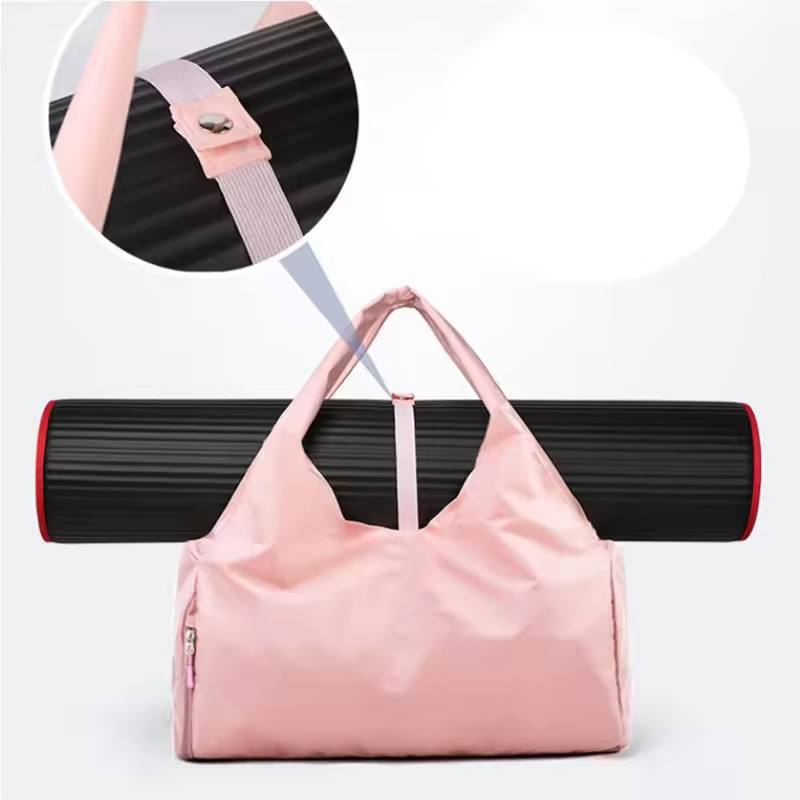
Fitnesst Gym Bag With Yoga Mat Holder Straps

Industry Insights: Trends We're Seeing in 2025–2026

From our manufacturing experience and ongoing conversations with buyers across North America and Europe:

  1. Hybrid designs are rising. Several of our OEM clients are now requesting gym bags with duffel-style silhouettes — combining organized interiors with minimalist exteriors.
  2. Sustainability is becoming a differentiator. We've seen a 40% increase in inquiries for recycled polyester and PVC-free materials across both categories since 2024.
  3. Custom branding matters more than ever. Whether sports gym bag or duffel, buyers consistently rank logo placement options and color customization as top decision factors.


Final Thoughts

Choosing between a sports gym bag and a duffel bag is not about which is "better" — it's about which better serves your customer's lifestyle and your business goals.

As a manufacturer with deep experience in both categories, we recommend evaluating your target audience's actual usage patterns, not just the look of the bag. That's how you build product lines that sell consistently and build long-term brand trust.

The Ultimate Guide to Choosing the Perfect Travel Backpack for Every Adventure

Traveling—whether for business, leisure, or backpacking across continents—starts with one essential decision: choosing the right travel backpack. A well-designed travel backpack isn't just a bag; it's your mobile command center, your luggage, and your daily companion rolled into one. At Panway Design, a professional manufacturer of sports bags, laptop backpacks, and travel gear, we understand what makes a travel backpack truly worthy of your journey.


In this comprehensive guide, we'll walk through everything you need to know to select the ideal travel backpack for your needs, from key features and materials to sizing and organization — whether you're looking for a lightweight travel backpack, a waterproof travel backpack, or a foldable travel backpack for space-saving convenience.


Why a Dedicated Travel Backpack Matters

Many travelers make the mistake of using a regular school backpack or a heavy suitcase for trips. A dedicated travel backpack is engineered differently. It combines the comfort of an ergonomic backpack with the organizational needs of travel—think dedicated laptop sleeves, quick-access passport pockets, hidden security compartments, and weather-resistant materials.


Whether you're a weekend city hopper or a long-term backpacker, the right travel backpack can make the difference between a smooth trip and a sore back. For carry-on travelers, a lightweight travel backpack is especially valuable — it maximizes your packing capacity while keeping you within airline weight limits.


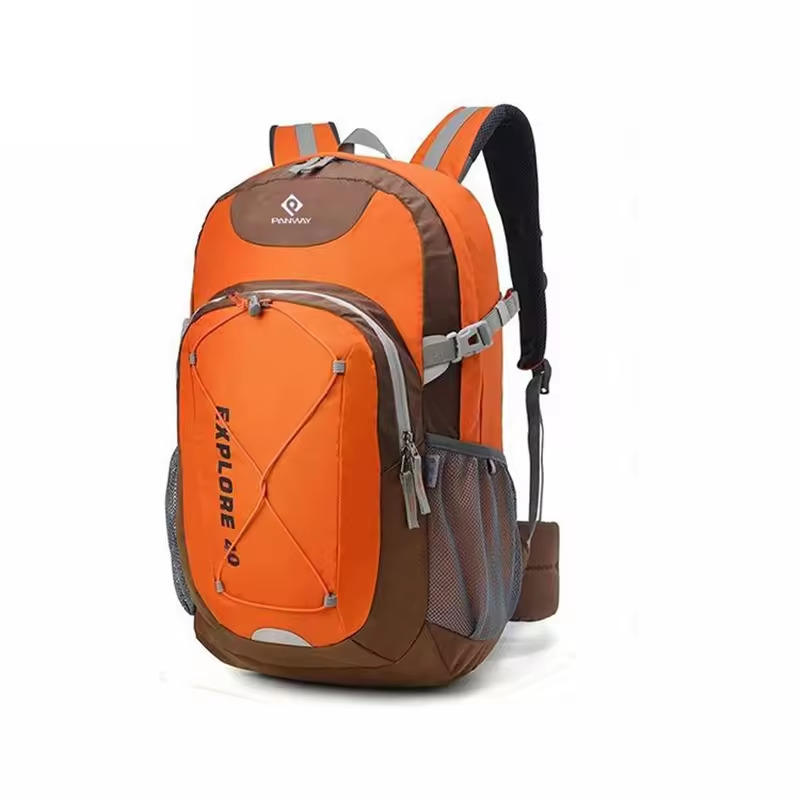
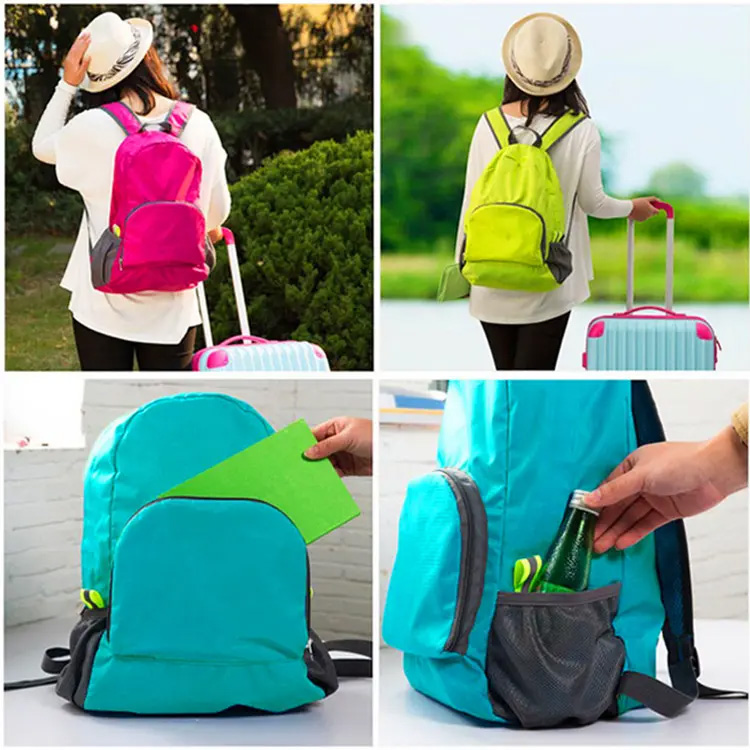
Lightweight travel backpack


Key Features to Look for in a Travel Backpack

1. Ergonomic Design and Comfort

A travel backpack is only as good as its comfort level when fully packed. This is why a lightweight travel backpack with proper ergonomics is a game-changer. Look for:

  • Padded shoulder straps with breathable mesh to reduce pressure
  • Adjustable sternum and hip straps to distribute weight evenly
  • Back panel ventilation to prevent sweating during long walks through airports or city streets


2. Smart Organization

The best travel backpacks offer dedicated compartments for:

  • A laptop sleeve (ideally padded and suspended to protect against drops)
  • Quick-grab pockets for passports, boarding passes, and phones
  • Main compartment with compression straps to keep contents stable
  • Hidden zipper pockets for valuables

For adventurers heading to unpredictable climates, a waterproof travel backpack with sealed zippers provides essential protection for electronics and documents. And for travelers short on luggage space, a foldable travel backpack that collapses into its own pocket makes an excellent daypack companion.


3. Durable Materials

Your travel backpack will face rain, rough handling, and constant wear. If weather protection is a priority, investing in a waterproof travel backpack is non-negotiable. Quality construction matters:

  • Ripstop nylon or high-denier polyester for tear resistance
  • YKK zippers for reliable closure
  • Reinforced stitching at stress points
  • Water-resistant or waterproof coating for weather protection


4. Capacity and Size

Choosing the right size travel backpack depends on your trip length:

  • 20–30 liters: Perfect for day trips, urban exploration, or as a personal item on flights — ideal for a foldable travel backpack that packs flat when not in use
  • 30–45 liters: Ideal for weekend getaways and short business trips — the sweet spot for a lightweight travel backpack
  • 45–60 liters: Best for extended travel or backpacking adventures


Waterproof and durable travel backpack


Travel Backpack vs. Suitcase: When to Choose a Backpack

While rolling suitcases have their place, a travel backpack wins in several scenarios. On rough terrain, cobblestone streets, or crowded public transport, a backpack offers hands-free mobility that a suitcase simply can't match. For multi-destination trips, being able to carry your luggage on your back rather than dragging it makes a world of difference. A foldable travel backpack also gives you the flexibility to pack a spare bag without taking up precious suitcase space.


Tips for Packing Your Travel Backpack

  1. Heavy items go near your back — closer to your center of gravity for better balance

  2. Use packing cubes — they keep your clothes compressed and organized

  3. Keep essentials accessible — store toiletries and a change of clothes on top or in outer pockets

  4. Distribute weight evenly — a well-balanced travel backpack feels lighter than an unbalanced one

If you're using a foldable travel backpack, pack it in an outer pocket for easy access during day trips. And if you have a waterproof travel backpack, make sure all zippers and roll-top closures are properly sealed before heading into wet conditions.


Why Choose Panway Design for Your Travel Backpack?

As an experienced manufacturer in the bag industry, Panway Design brings years of expertise to every travel backpack we produce. Whether you're looking to source a lightweight travel backpack, a waterproof travel backpack, or a foldable travel backpack for your brand, we deliver:

  • Customizable designs — tailor features to your brand or specific needs
  • Quality materials — sourced from trusted suppliers for durability
  • Professional craftsmanship — every bag is built to last through countless journeys
  • OEM/ODM services — perfect for brands looking to launch their own travel backpack line


Final Thoughts

A great travel backpack is an investment in your travel comfort and peace of mind. Take the time to assess your travel style, choose the right size and features, and prioritize quality construction. Whether you need a lightweight travel backpack for airline travel, a waterproof travel backpack for outdoor adventures, or a foldable travel backpack for extra versatility — the right choice will serve you faithfully trip after trip.

Ready to design your perfect travel backpack? Contact Panway Design to discuss your custom manufacturing needs.

Travel backpack makes journeys easier for everyone

You know that feeling when you breeze past crowds with your travel backpack? For modern travel, a backpack stands out as an essential travel item. You move quickly, keep your hands free, and stay organized with smart compartments. Unlike bulky suitcases, a travel backpack gives you flexibility, comfort, and efficiency. Check out these common travel problems a backpack helps solve:

  • Move fast to catch trains or buses without dragging wheels

  • Keep important items close and accessible

  • Enjoy greater independence with lightweight design

A travel backpack could change the way you travel.


Key Takeaways

  • Travel backpacks offer unmatched mobility, allowing you to navigate crowded spaces easily and keep your hands free for other tasks.

  • A multifunction travel backpack adapts to various trips, providing organization and comfort whether for business, leisure, or outdoor adventures.

  • Using a carry-on backpack saves time and money at airports, helping you avoid baggage fees and streamline security checks.


Travel backpack mobility and convenience

Airport and transit mobility

You know how airports can feel like obstacle courses. You need to move fast, dodge crowds, and sometimes run to your gate. A travel backpack gives you the flexibility to glide through terminals without dragging a heavy suitcase behind you. You can switch directions quickly, hop on escalators, and squeeze into busy elevators. This kind of mobility makes your journey less stressful and more enjoyable.

Take a look at how travel backpacks compare to traditional suitcases in real-life situations:


Feature

Travel Backpacks

Traditional Suitcases

Popularity

Gaining traction among consumers

Established but less innovative

Mobility

Enhanced due to lightweight and ergonomic design

Limited by wheels and bulkiness

Technology Integration

Smart features like USB-C charging and GPS tracking

Generally lacks advanced tech features

You get more flexibility with a backpack. You can carry it on your back, hold it by the handle, or even attach it to your suitcase if you want. PANWAY travel backpacks make things even easier. Their luggage sleeve lets you slide your backpack onto your rolling suitcase, so you can move hands-free through crowded train stations or airport lines. This design reduces strain on your shoulders and keeps your journey smooth.

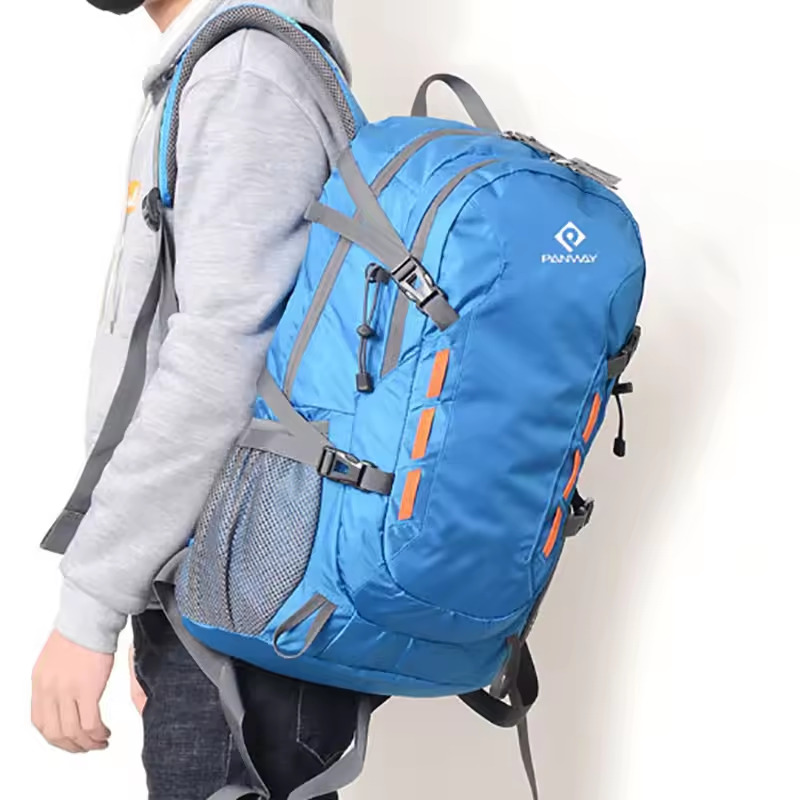
Hiking Multifunction Resistant Water Travel Camp Hiking Backpack


Hands-free movement in crowds

Crowded spaces can slow you down. When you use a travel backpack, you keep your hands free for tickets, snacks, or your phone. You don’t have to worry about bumping into people with a bulky suitcase. You can weave through crowds with ease and flexibility.

Here’s what ergonomic research says about hands-free travel:

Benefit

Description

Reduced Physical Strain

Attaching the backpack to a suitcase minimizes shoulder strain, enhancing comfort during travel.

Enhanced Mobility

Facilitates easier movement through crowded areas, improving overall travel efficiency.

Organized Travel Experience

Allows for better management of multiple items, reducing stress in busy environments.

You feel the difference right away. You can grab a coffee, scan your boarding pass, or check your phone without juggling bags. The flexibility of a backpack means you can adjust your load and keep moving, even when the crowd gets thick. PANWAY’s sturdy materials and ergonomic design support your back and shoulders, so you stay comfortable on long walks or while standing in line.

If you want even more flexibility, try a multifunction travel backpack. You can use it for work, school, or weekend trips. Some models even double as a waterproof camping bag, so you’re ready for any adventure. With the right backpack, you get convenience, flexibility, and smooth movement every step of the way.

PANWAY backpack with sturdy and durable materials and ergonomic design

Packing flexibility and comfort

Versatility for different trips

You want a backpack that adapts to every trip. Whether you’re heading out for a business meeting, a weekend getaway, or an outdoor adventure, you need a bag that keeps up with your changing travel needs. A multifunction travel backpack gives you that freedom. You can pack your laptop and documents for work, toss in versatile clothing for leisure, or load up snacks and a water bottle for a day of sightseeing. If you love the outdoors, a waterproof camping bag keeps your gear dry and ready for any weather.

You can see how a travel backpack fits different types of trips:

  • For business, use a padded sleeve for your laptop and important papers.

  • For leisure, organize your clothes, snacks, and water bottle for easy access.

  • For adventure, pack light and use packing cubes to keep everything in order.

You get efficient organization with multiple compartments. Quick-access pockets let you grab your essentials without digging through your whole bag. Compression systems help you maximize space management, so you can pack for a short city break or a longer journey. Rolling your clothes instead of folding them saves space and keeps your items neat. You can even use specialized pockets for chargers, toiletries, or travel documents. This level of organization means you spend less time searching and more time enjoying your trip.

Here’s a look at how travel backpacks adapt to your travel needs:

Feature

Importance for Travel Needs

Comfort

Crucial for long hours of carrying; quality straps and weight distribution matter.

Practical Durability

Withstands rough handling and constant use.

Organized Simplicity

Simple organization prevents frustration during packing and unpacking.

Weatherproofing

Protects your gear from rain and humidity.

Security Features

Hidden pockets and anti-theft designs keep your belongings safe.

You can trust a travel backpack to handle any environment, from busy airports to rainy campsites.


Ergonomic design and health benefits

Comfort matters when you carry your backpack for hours. You want a bag that feels good on your back and shoulders. PANWAY designs their backpacks with your health in mind. Wide, padded shoulder straps spread the weight across a larger area, so you avoid sore spots. Adjustable straps let you find the perfect fit, keeping the pack close to your body and reducing strain.

You can support your posture and avoid back pain by wearing your backpack on both shoulders. Carrying it on one side increases muscle strain and can lead to discomfort. A padded back panel adds extra comfort and helps position the pack near your center of gravity. If you choose a larger bag, a waist belt shifts some of the weight to your hips, taking pressure off your spine.

Health studies show that ergonomic backpacks offer real benefits:

  • Even weight distribution promotes spinal alignment and reduces the risk of injury.

  • Padded straps prevent shoulder strain and make long walks easier.

  • Supportive back panels encourage good posture and reduce fatigue.

  • Multiple compartments help you balance your load, so you don’t feel lopsided.

  • Adjustable straps ensure a snug fit, minimizing excess pressure on your back.

You feel the difference right away. You stay comfortable, even after a long day of travel. You avoid the aches and pains that come from poor design. With the right backpack, you get both packing flexibility and comfort, making every trip smoother and more enjoyable.

Tip: Always adjust your straps before you head out. A well-fitted backpack makes a huge difference in how you feel at the end of your journey.

PANWAY's ergonomic backpack shoulder strap design

Carry-on backpack efficiency and security

Quick packing and airline carry-on

You want to move fast and avoid hassles at the airport. A carry-on backpack gives you that edge. You skip the baggage line and keep your essentials close. Most airlines let you bring one carry-on backpack and a personal item without extra fees. You save money and time by packing smart. Rolling your clothes and using packing cubes helps you fit more into your carry-on backpack. You breeze through security because many backpacks have dedicated laptop compartments. You just unzip, pull out your device, and move on.

A carry-on backpack fits easily in overhead bins or under the seat. You don’t have to worry about gate-checking your bag or losing important items. The compact design meets airline size rules, so you avoid last-minute surprises. You get hands-free mobility, which makes it easier to grab a snack or check your phone while you walk. Comfort features like padded straps and back panels make long airport walks much easier.

  • Carry-on backpack avoids extra airline fees.

  • Fits airline size requirements for overhead bins and under seats.

  • Dedicated compartments speed up security checks.

  • Hands-free mobility improves your travel efficiency.


Keeping belongings safe and accessible

Security matters when you travel. A carry-on backpack keeps your items close and reduces the risk of theft or loss. Many backpacks use lockable zippers, anti-theft materials, and RFID-blocking pockets. You can hide your passport and cash in secret compartments. Organized packing with cubes and dividers makes it harder for thieves to grab valuables.

Here’s a quick look at common security features:

Security Feature

Description

Lockable Zippers

Secure your bag with TSA-approved locks.

Anti-Theft Materials

Tough fabrics resist slashing and tampering.

RFID-Blocking Pockets

Protect cards and passports from digital theft.

Hidden Compartments

Store valuables out of sight and reach.

You also want easy accessibility. A front-loading carry-on backpack lets you reach your stuff without unpacking everything. You can grab your charger or snacks in seconds. Dividing your items into compartments keeps you organized and ready for anything. Packing your backpack strategically adds another layer of security and convenience. You travel with peace of mind, knowing your belongings are safe and always within reach.


When you compare a carry-on backpack vs suitcase, you see real benefits. You travel lighter, stay organized, and move easily. Here’s a final comparison summary:

  • One-bag travel keeps things simple.

  • You enjoy comfort and smooth transitions.

  • Travel backpacks make every journey more efficient.

Try one for your next travel adventure!


FAQ

What makes a multifunction travel backpack better than a regular backpack?

You get more features with a multifunction travel backpack. It offers smart compartments, better comfort, and adapts to work, school, or adventure trips.

Can I use a waterproof camping bag for city travel?

Yes! A waterproof camping bag keeps your gear dry in any weather. You can use it for city trips, outdoor hikes, or even daily commutes.

How do I keep my travel backpack secure while exploring?

Lock your zippers, use hidden pockets, and keep your backpack close. Many travel backpacks include anti-theft features for extra peace of mind.

What Is an RPET Bag and Why Is It Eco-Friendly?


RPET backpack

RPET stands for Recycled Polyethylene Terephthalate, meaning an RPET bag is a reusable or disposable bag made from recycled PET plastic—most commonly discarded plastic bottles. Unlike traditional plastic bags made from virgin petroleum-based materials, RPET bags repurpose existing plastic waste, giving it a new lifecycle instead of letting it end up in landfills, oceans, or incinerators. Lightweight, durable, and versatile, they are widely used as shopping bags, tote bags, and accessory bags, combining practicality with environmental responsibility. Their eco-friendly nature lies in reducing plastic waste, conserving resources, and cutting down on harmful emissions associated with new plastic production.

RPET laptop backpack

Key Definitions and Eco-Friendly Advantages

 RPET Definition: Recycled Polyethylene Terephthalate, a material made by processing discarded PET plastic (e.g., plastic bottles) into reusable fabric or film for bags.

 Reduces Plastic Waste: Diverts PET plastic from landfills and oceans, where it can take hundreds of years to decompose and harms wildlife.

Outdoor travel RPET bag

 Conserves Natural Resources: Eliminates the need for virgin petroleum (a non-renewable resource) used to make traditional plastic bags.

 Lowers Carbon Emissions: Recycling PET requires less energy than producing new plastic, reducing greenhouse gas emissions linked to plastic manufacturing.

 Reusable & Durable: Most RPET bags are washable and long-lasting, replacing single-use plastic bags and further cutting down on waste.


 Recyclable Again: Many RPET bags can be recycled once more at the end of their lifecycle, creating a circular economy for plastic.

Lightweight RPET backpack

What to Know Before Partnering with an OEM Bag Manufacturer

Choosing the right bag manufacturer takes more than a quick Google search. If you jump in without clear goals or skip checking out a handbag manufacturer, you could face costly surprises. Take a moment to define what you want. This step saves you stress and helps you find the perfect fit.


Key Takeaways

  • Define your bag requirements, including size, material, and customization, to avoid confusion and ensure a smooth process.

  • Research manufacturers thoroughly by checking reviews, certifications, and production capacity to find a reliable partner.

  • Request samples and review quality control processes to ensure the final product meets your expectations.


Define Your Bag Requirements

Waterproof Casual Travel Roll Top Backpacks

Before you reach out to any OEM bag manufacturer, you need to define your requirements. This step sets the stage for a smooth process and helps you avoid confusion later.


Product Specifications

Start by listing out what you want in your bag. Think about the size, shape, color, and features. Do you want extra pockets, zippers, or a custom logo? You should also consider who owns the design and how much you want to customize. Here’s a quick table to help you organize your thoughts:

Specification Type

Description

Design Ownership

You keep control over your bag designs to match your brand vision.

Material Selection

Choose from premium leather, recycled fabrics, or other options.

Customization Levels

Decide how much you want to tailor the bag to your needs.

Quality Control

Make sure the manufacturer follows strict quality checks.

Manufacturer's Reputation

Look for a partner known for meeting specs and delivering quality.

Tip: Ask about quality control at every stage. This helps you catch problems before they become costly.


Material Selection

The material you choose affects both the look and the price of your bag. Premium leather gives a luxury feel but costs more. Recycled fabrics or canvas can lower costs and boost sustainability. Many manufacturers offer a wide range of materials, so you can match your brand’s values and your customers’ preferences.

  • High-quality bags start with the right material.

  • Premium materials mean higher durability and cost.

  • Eco-friendly options support sustainability and appeal to conscious buyers.


Budget and Timeline

Set a clear budget before you start. Costs can vary based on the type of bag and the material you pick. Here’s a quick look at some typical price ranges:

Campaign Type

Material

Style

Cost Range

Budget Campaign

Polyester or cotton

Drawstring/basic tote

$1–$2

Mid-Level Campaign

Canvas or RPET

Tote with reinforced handle

$2–$4

Premium Campaign

Thick canvas or nylon

Backpack/structured bag

$5–$15

You also need to plan your timeline. The process usually includes confirming specs, picking materials, reviewing artwork, making samples, and then mass production. Lead times depend on your order size and the complexity of your design. If you want a custom bag, expect a longer wait.

Note: Clear communication about your budget and timeline helps your manufacturer deliver on time and within your price range.


Research Bag Manufacturers

Sourcing Channels

You have plenty of options when it comes to finding the right bag manufacturer. Online directories, trade shows, and referrals all offer unique advantages. Let’s break down some popular sourcing channels:

Sourcing Channel

Region

Features

Benefits

Alibaba

Primarily Asian suppliers

Advanced search filters, customer reviews

Direct contact, easy vetting

Maker’s Row

U.S. manufacturers

Showcases local factories, user-friendly platform

Great for domestic production

ThomasNet

North American suppliers

Extensive database, industrial focus

Robust supply chains

Global Sources

Asian suppliers

Trade show connections, vendor profiles

Verified manufacturers, reduced fraud risk

You can also use B2B platforms like Made-in-China.com. These sites let you check ratings and certifications, which helps you avoid unreliable suppliers. Referrals from your professional network often lead to trustworthy manufacturers. Trade shows give you a chance to meet suppliers face-to-face and see their products firsthand.

Tip: Don’t skip reading customer reviews and case studies. These give you real insight into how manufacturers handle orders and solve problems.


Shortlisting Candidates

Once you have a list, you need to evaluate shortlisted manufacturers. Look at their experience, production capacity, and quality standards. Here’s a quick table to help you compare:

Criteria

Description

Experience and Expertise

Proven track record with similar bags

Production Capacity

Ability to handle your order volume

Quality and Materials

Review samples for craftsmanship and material quality

Certifications

Social compliance and quality certifications like WRAP or ISO9001

Pricing and Payment Terms

Compare quotes and payment options

You should always ask for samples and check their certifications. This step helps you avoid surprises and ensures you partner with a reliable manufacturer.


Evaluate Manufacturer Reliability

Choosing a bag manufacturer is more than just picking a name from a list. You want a partner who delivers high-quality products, sticks to ethical standards, and keeps your lead times and production schedule on track. Let’s break down how you can check reliability before you sign any agreement.


Experience and Track Record

Experience matters when you want consistent quality. You should look for a handbag manufacturer with a proven history in the industry. Years of experience often translate to better problem-solving and smoother production. Here’s a quick look at how long top-rated manufacturers have been in business:

Manufacturer

Years of Experience

Vancharli Outdoor

30+ years

YSK Leather Goods

15+ years

Unknown

18 years

If you see a bag manufacturer with decades of experience, you can expect them to handle complex orders and unexpected challenges. Ask for references or case studies. You want to know how they managed past projects and if they delivered quality on time.

Tip: Don’t hesitate to ask about previous client experiences. Reliable manufacturers are proud to share their success stories.


Production Capacity

Production capacity affects your lead times and production schedule. You need a manufacturer who can handle your order volume without sacrificing quality. Take a look at what leading companies can produce:

Manufacturer

Daily Production Capacity

Annual Production Capacity

Additional Notes

Gionar

50 handbags or 20 small leather goods

Over 2 million customized products

Synergy with factories in Asia, South America, and the USA.

YC Bag Making

Thousands of bags per month

-

-

If your order is large or you need quick turnaround, ask about their maximum output. You should also check if they have backup facilities or cross-regional support. This helps you avoid delays and ensures your lead times and production schedule stay on track.

Note: A reliable bag manufacturer will be upfront about their capacity and any limits. This transparency helps you plan better.


Quality Assurance Processes

Quality is the heart of any successful partnership. You want a manufacturer who uses strict quality control processes at every stage. Here’s what you should look for:

Quality Assurance Process

Description

Material Quality Control

Strict checks on suppliers to prevent issues like zipper jams and discoloration.

Standardized Production

Follows correct methods, with pre-production planning and guidance for complex designs.

Employee Training

Skilled workers receive training to boost responsibility and attention to detail.

Machine Maintenance

Regular maintenance prevents faults that can affect quality.

Most bag manufacturers monitor every stage with a quality control team. They check raw materials, inspect during production, and audit finished products. For RPET bags, attention to detail is especially important. You want your products to meet international benchmarks for safety and durability.

Here’s how a typical quality control process works:

  1. Material inspection starts the process.

  2. In-line checks happen during production.

  3. Final audits verify stitching, zippers, load strength, and finish.

  4. Only approved units go to packing.

  5. AQL 2.5 sampling standards are used for quality checks.

  6. Third-party inspections from SGS, Bureau Veritas, or your own auditors are welcome.

Over 70% of OEM bag manufacturers use ISO certifications to guarantee quality. About 80% conduct systematic checks at every stage, including raw material inspections and final product testing. Certifications like CE and ASTM set the bar for safety and durability.

Callout: Always verify certifications and compliance. Ethical and sustainability practices are just as important as product quality. Ask for proof of ISO, CE, or ASTM certifications. This step protects your brand and ensures you get high-quality products.

You should also check for process stability. Reliable factories review feasibility, validate materials, control sampling, and keep detailed revision records. They execute mass production with rigorous standards. This approach ensures you get consistent quality every time.

If you want to avoid surprises, ask about their quality control processes and how they handle client audits. A trustworthy manufacturer welcomes third-party inspections and shares audit results. This openness shows they value ethical standards and quality.


Collaborate on Design and Samples

Design Adjustments with Manufacturer

You want your bags to stand out, so you need a hands-on approach to customization. Start by sharing a clear design brief with your OEM partner. Include sketches, dimensions, material notes, colors, and details about compartments. This helps everyone stay on the same page from the beginning.

Here’s how you can make the process smoother:

  • Give a product overview with the style name, category, and target market.

  • Share technical drawings that show seam placements, pocket locations, and closures.

  • Use reference samples or photos of competitor products to show your vision.

  • List all materials, linings, trims, and hardware you want.

Work closely with your manufacturer during the sampling phase. This is your chance to spot issues like handle length, material stiffness, or color mismatches. Treat this step seriously. It’s much easier to fix problems now than after mass production starts.


Requesting and Reviewing Samples

Always request samples before you approve a final design. Pre-production samples let you check the quality and see if the bag matches your expectations. Manufacturers use strict quality checks at every stage, including material inspection, in-line production checks, and pre-shipment audits. They often test for load strength, zipper endurance, and colorfastness to meet international standards.

You can even ask for third-party inspections from companies like SGS or Bureau Veritas. Take time to review the sample’s stitching, hardware, and overall craftsmanship. If something feels off, give feedback right away. This step protects your brand and ensures you get the bag you want.


Visit Facilities and Final Checks

Travel Sports Bag With Shoe Compartment

On-Site Assessment

Visiting your potential bag manufacturer’s facility gives you a real sense of how they operate. You see more than just photos or polished presentations. You get to walk the production floor, watch employees in action, and spot details that matter for your brand.

Here’s what you should look for during your visit:

  • Check the production floor for cleanliness and organization.

  • Watch how employees handle materials and assemble bags.

  • Inspect equipment quality and maintenance routines.

  • Ask about their quality control systems.

  • Look for certifications like SMETA, BSCI, or ISO 9001. These show the factory meets strict ethical and quality standards.

  • Discuss your requirements in detail to make sure everyone understands your goals.

Tip: A clean, organized workspace often means the manufacturer values quality and safety. This can give you peace of mind about your order.

You can also request a third-party audit if you want extra assurance. Audits give you direct visibility into workforce conditions and production processes.


Meeting the Manufacturer Team

Meeting the team face-to-face helps you build trust and set the tone for your partnership. You get to know the people who will bring your designs to life. This is your chance to talk about new materials, try out sustainable options, and make sure everyone shares your vision.

  • Early conversations about your goals help avoid misunderstandings.

  • Collaborating on new material trials can spark innovation.

  • Strategic partnerships with the right OEM team support your brand’s growth and quality standards.

When you connect with the team, you lay the groundwork for a smooth, successful project. Open communication now leads to better results later.


Negotiate and Establish Partnership

Agreement Terms

When you negotiate and establish a long-term partnership with a bag manufacturer, clear agreement terms set the foundation for success. Start by outlining your expectations for quality, delivery, and payment. Many factories prefer long-term partners over one-off buyers, so showing commitment can help you secure better terms. Propose a trial order first. This builds trust and lets both sides adjust before scaling up.

Effective negotiation goes beyond price. Focus on value—think about service, quality, and support. Prepare by researching the market and understanding what motivates your handbag manufacturer. Try to optimize several factors at once, like cost, lead time, and after-sales service. If you share risks and rewards, you encourage collaboration and continuous improvement.

Common challenges can pop up during this phase. For example, you might worry about quality consistency or protecting your designs. Use this table to see how you can address these issues:

Challenge

Solution

Consistency in Quality Control

Visit the factory, set clear protocols, and use third-party inspections.

Intellectual Property

Sign confidentiality agreements and register your designs with authorities.

Logistics

Work with experienced freight forwarders and plan for transportation times.

Cultural Alignment

Audit the factory and look for ethical certifications.


Communication Protocols

Strong communication keeps your partnership on track. Set up regular meetings, use email, and schedule calls to stay connected. Good suppliers respond within 12–24 hours, give clear answers, and offer proactive solutions. Risky suppliers take days to reply and rarely provide updates. Here’s a quick comparison:

Indicator

Good Supplier

Risky Supplier

Response time

Within 12–24 hours

2–3 days or more

Clarity

Clear, detailed answers

Vague responses

Problem-solving

Proactive suggestions

Reactive only

Updates

Regular production updates

No visibility

Encourage feedback from your bag manufacturer and your customers. This helps you improve product quality and design consistency. When you keep communication open, you avoid misunderstandings and build a partnership that lasts.


You can build a strong partnership with a bag manufacturer by following a few key steps:

  1. Assess samples and set clear terms.

  2. Communicate openly and check quality often.

  3. Pay attention to details and protect your designs.

Start your search with confidence and watch your brand grow.


FAQ

What is the minimum order quantity (MOQ) for OEM bag manufacturers?

Most manufacturers set an MOQ. You usually need to order at least 100–500 pieces.

Tip: Ask about sample orders before committing to a large batch.

How long does it take to produce custom bags?

Production time depends on your design and order size. Most orders take 30–60 days.

  • Sample approval can add extra time.

Can I use my own logo and packaging?

Yes, you can add your logo and custom packaging.

Note: Share your branding files early to avoid delays.

Why Choose a Messenger Bag Over a Backpack?

Message bag

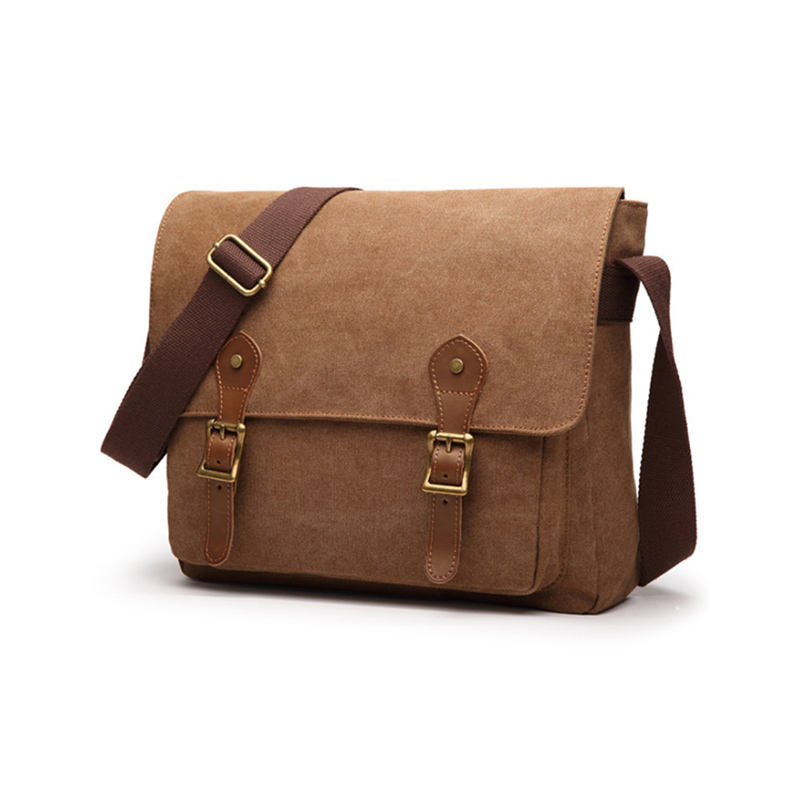
Messenger bags stand out as a stylish, practical, and professional alternative to traditional backpacks, perfect for daily commuting, work, and casual use. They combine convenience, comfort, and versatility in a sleek design, making them a top choice for messenger bag for work and daily commuting messenger bag.


Easy Access and Convenience: You can quickly reach your phone, wallet, or essentials without taking the bag off. Just swing it to the front and grab what you need, ideal for commuting and travel—another reason messenger bag vs backpack debates often favor messenger styles.

Professional and Stylish Look: Messenger bags have a polished, business-casual appearance that fits workplaces, meetings, and daily outings better than bulky backpacks, which is why stylish messenger bag is a popular search term for professionals.

Casual crossbody message bag


Better Ventilation: Unlike backpacks, they don’t press against your back, keeping you cool and preventing sweat stains, especially in warm weather. This comfort factor adds to the appeal of comfortable messenger bag options.

Secure and Comfortable Wear: An adjustable strap ensures a snug fit, and the crossbody design makes it harder to pickpocket, great for crowded streets and public transport.

Practical Organization: Most messenger bags feature multiple compartments for laptops, tablets, documents, and small items, keeping your gear neat and protected.


Whether for work, study, or daily use, a messenger bag delivers efficiency, style, and comfort that many backpacks can’t match.

Durable messenger sling bag

Affordable Support Bras How Seamless Jelly Strip Delivers Comfort Without Compromising Support

Affordable Support Bras Are No Longer About Lower Prices

For today's lingerie consumers, affordability is no longer defined by the lowest price tag. Instead, it means finding products that deliver lasting comfort, reliable support, and everyday versatility at a reasonable cost. This shift is changing the way lingerie brands approach product development, especially in the growing market for wireless bras.


Bra Manufacturer


Consumers are moving away from the idea that strong support must come from rigid underwires or heavily structured bras. They increasingly expect lightweight designs that feel almost invisible under clothing while still providing enough lift and stability for daily wear. As a result,  Customize Seamless Jelly Strip Bras have become two of the fastest-growing product categories in the intimate apparel industry.


For brands, however, Creating Affordable Support Wireless Bra is far more complex than simply reducing material costs. A successful product requires careful engineering, appropriate material selection, efficient manufacturing, and a deep understanding of modern bra construction. The goal is to balance comfort, performance, appearance, and production cost without compromising quality.


This is where advanced bonding techniques and jelly strip technology are making a significant difference. They allow manufacturers to replace bulky seams and traditional support structures with lighter, cleaner, and more comfortable alternatives while maintaining the level of support consumers expect.


As Experience Bra Manufacturer ,we'll explore why bonded construction and jelly strip technology are reshaping the future of affordable support bras, what brands should consider during product development, and how choosing the right manufacturing partner can help transform a concept into a successful commercial product.


Why Affordable Support Wireless Bras Are Reshaping the Lingerie Market

The global lingerie market has changed dramatically over the past decade. Consumers are no longer choosing bras based solely on appearance. Comfort has become one of the most influential purchasing factors, particularly among younger consumers, remote workers, and women seeking all-day wear rather than occasional use.

This trend has accelerated the popularity of wireless bras, seamless bras, and invisible bras. Rather than sacrificing support for comfort, consumers now expect both.


For lingerie brands or distrobuilder, this shift presents both an opportunity and a challenge.

Another hand, demand for affordable support bras continues to grow across multiple markets, from North America and Europe to emerging regions where comfort-focused lingerie is gaining momentum. On the other hand, customers have become far more discerning. They quickly notice poor fit, uncomfortable pressure points, visible seams, or bras that lose their shape after repeated washing.


Therefore, a successful brands are paying greater attention to how support is created rather than relying solely on traditional underwire construction.


Private Label Bras


Today's product development teams focus on questions such as:

1.How can support be achieved without increasing bulk?

2.How can a bra remain lightweight while maintaining stability?

3.Which construction methods improve comfort without significantly increasing production costs?

4.Which technologies help products stand out in an increasingly competitive market?


These questions have driven the rapid adoption of bonded construction and jelly strip support systems, two technologies that have fundamentally changed modern wireless bra design.

What Actually Creates Support in a Modern Bra?


One of the biggest misconceptions in lingerie is that support comes primarily from the underwire.

In reality, professional bra development relies on a combination of structural elements working together. Removing the underwire does not automatically reduce support, just as adding one does not guarantee a better fit. Modern support bras achieve performance through thoughtful engineering rather than a single component.


Several factors influence how supportive a bra feels during daily wear.


Cup Engineering

The cup shape determines how breast tissue is distributed and stabilized. Well-designed molded cups help maintain a natural silhouette while preventing excessive movement. The geometry of the cup often has a greater impact on support than additional hardware.


 Underband Stability

The underband acts as the foundation of the bra. It provides most of the vertical support by anchoring the garment securely around the body. High-quality elastic with excellent recovery is essential for maintaining consistent performance over time.


Side Wing Construction

Side panels play a crucial role in distributing pressure evenly and improving overall stability. Wider, well-engineered wings help reduce rolling, improve smoothing, and create a more secure fit without increasing discomfort.


Fabric Performance

Support depends heavily on the characteristics of the fabric itself. High-recovery nylon-spandex blends, carefully selected power mesh, and performance stretch fabrics all contribute to maintaining shape after repeated wear and washing.

Choosing premium materials does not necessarily mean dramatically increasing production costs. Instead, selecting fabrics with the right balance of elasticity, durability, and softness often delivers better long-term value for both brands and consumers.


Construction Methods

This is where Jelly strip technology begins to distinguish itself from conventional sewing.

Traditional stitched seams introduce additional layers of fabric, visible seam lines, and localized pressure points. Bonded & Jelly construction replaces many of these stitched areas with heat-bonding techniques, creating smoother transitions between panels while reducing bulk.

The result is a bra that feels lighter against the skin, lies flatter under clothing, and provides a cleaner appearance without compromising structural integrity.


Looking for an OEM Partner for Bonded & Jelly Strip Bras?

Choosing the right manufacturer is just as important as choosing the right design. A reliable OEM partner should understand bra engineering, bonded construction, material performance, and scalable production—not just garment assembly.


At Chuangrong Apparel, we help lingerie brands develop bonded bras, jelly strip bras, invisible bras, and other comfort-focused collections for different markets. Our in-house development team works closely with customers throughout sampling, material selection, production, and quality control to ensure every product meets both technical and commercial expectations.


Whether you're launching a new private label, expanding an existing collection, or looking for a dependable manufacturing partner, we'd love to learn more about your project.


Jelly Strip Support

Jelly strip technology represents another major advancement in wireless support.

Rather than relying on a rigid underwire, flexible support strips are strategically integrated into the bra's internal structure. Their purpose is not simply to replace the wire but to guide, stabilize, and gently lift the bust through controlled tension and intelligent placement.

When properly engineered, jelly strip systems work together with the molded cups, underband, and bonded construction to create support that feels natural rather than restrictive.

This combination allows modern support bras to deliver the balance consumers increasingly expect: lightweight comfort, reliable lift, and an invisible appearance under everyday clothing.


📩 Email: Lexie@Sharicca.com


🌐 Website: www.chuangrongapparel.com


How Does Period Underwear Absorb Blood? Liquid Management & OEM Guide

Introduction

Most people think period underwear works in a simple way:

The fabric absorbs menstrual fluid. 

But the real answer is more complex.

A high-performance period underwear is not made by simply adding more absorbent material. It is designed as a complete system where different layers work together to manage menstrual fluid.

  • 1st layer helps move liquid away from the skin
  • 2nd Layer absorbs and distributes the fluid.
  • 3rd layer is a leakproof barrier helps prevent liquid from passing through.
  • 4th Lyaer -The outer fabric provides comfort and supports everyday wear.

This is why two period underwear products with similar absorbency ratings can perform differently in real-life situations.


The difference is not only how much liquid a product can hold. It is also how quickly liquid moves, how efficiently it spreads, how well it stays inside the structure, and how the garment fits the body.

From an Period Underwear OEM Manufacturing perspective, developing reliable period underwear requires a balance between textile performance and garment construction.

The goal is not simply to create a product with higher absorption capacity.

The goal is to create a product that manages menstrual fluid effectively while remaining comfortable, flexible, and suitable for daily use.


How Does Period Underwear Work?

menstrual underwear manufacturer


Unlike regular underwear, period underwear is designed to control the movement of menstrual fluid through multiple functional layers.

The process can be explained in four steps:

Transfer → Absorb → Retain → Protect

1. Transfer

The first step is moving liquid away from the skin.

A suitable inner fabric layer helps guide moisture into the absorbent area, reducing the uncomfortable wet feeling during wear.

2. Absorb

The absorbent layer receives the liquid and distributes it through the functional area.

A good structure does not allow liquid to remain concentrated in one small location.

3. Retain

The absorbent system needs to hold the liquid securely inside the garment structure.

This depends on fabric selection, density, and construction.

4. Protect

The leakproof barrier helps prevent liquid from reaching the outer fabric.

Together, these functions create the liquid management system behind period underwear performance.


The Four-Layer Structure Behind Period Underwear Performance

A typical period underwear construction includes several functional layers.

The exact structure may vary depending on:

  • Target absorbency level;
  • Product style;
  • Fabric selection;
  • Manufacturing process;
  • Consumer requirements.

A commonly used structure includes:

  1. Inner Fabric Layer (Skin Contact Layer)
  2. Absorbent & Wicking Layer
  3. TPU Leakproof Barrier Layer
  4. Outer Fabric Layer

Each layer has a different responsibility.

Good performance comes from how these layers work together.


1. Inner Fabric Layer (Skin Contact Layer)

Moving Liquid Away From the Skin

The first layer is the fabric helps transfer liquid away from the skin and guides it toward the absorbent layer underneath.

This function is important because comfort depends not only on absorption capacity, but also on how quickly moisture leaves the skin surface.


2. Absorbent & Wicking Layer

Controlling Absorption Speed and Capacity

The absorbent and wicking layer is the core functional area of period underwear.

Its purpose is to:

  • Receive menstrual fluid;
  • Spread liquid through the absorbent zone;
  • Retain moisture inside the structure.

Two performance factors are especially important during product development.

1.Absorption Speed

How quickly can liquid move away from the skin?

Fast liquid transfer helps improve comfort and reduces the feeling of wetness during use.

2.Absorbency Capacity

How much liquid can the structure hold?

Absorbency capacity is commonly measured by liquid volume and expressed in milliliters (ml).

However, absorbency capacity alone does not define the complete wearing experience.

A product with high capacity may still have problems if:

  • Liquid moves too slowly;
  • Absorption is uneven;
  • Protection coverage is insufficient.

This is why Experienced Period Underwear Manufacturers evaluate absorption speed and capacity together.


3. TPU Leakproof Barrier Layer

Preventing Leakage While Maintaining Comfort

The TPU leakproof barrier layer is designed to prevent menstrual fluid from passing through the garment.

After liquid is transferred and absorbed by the functional layers, the barrier layer helps keep moisture inside the structure and protects the outer fabric.

A period underwear product is worn close to the body for many hours. Therefore, the barrier layer must provide protection without making the garment feel stiff or uncomfortable.

This is why the leakproof layer should always be developed as part of the complete garment structure rather than treated as an independent waterproof component.

Good period underwear is not created by making one layer stronger.

It is created by making every layer work together.


4. Outer Fabric Layer

Creating Comfort and a Dry Wearing Experience

The outer fabric is the layer that consumers see and feel during daily wear.

Although it does not directly handle menstrual fluid management, it plays an important role in overall product performance.

The outer fabric needs to provide:

comfort against the body;suitable elasticity;durability after washing;a pleasant appearance.

Common fabric choices may include:

  • Cotton
  • Nylon microfiber fabrics
  • Modal
  • Other soft and stretchable materials.

One important expectation from consumers is that the outside of the garment should remain dry.

It means the liquid should remain controlled inside the functional layers instead of penetrating through to the outside.


Why Laboratory Absorbency Tests and Real-Life Wearing Results Can Be Different


How Does Period Underwear Absorb Blood?


Absorbency testing is an important part of period underwear development.

Manufacturers usually evaluate performance through controlled testing methods, including liquid absorption capacity measured in milliliters (ml).

These tests help compare different products and confirm whether the structure meets development requirements.

However, laboratory results do not always represent every real-life wearing situation.

Why?

Because consumers do not wear period underwear in a fixed testing environment.

During daily use, the garment experiences:

  1. Body movement;
  2. Sitting and standing;
  3. Pressure from the body;
  4. Different liquid flow directions;
  5. Different wearing positions.

For example, a product may show good absorbency capacity in a laboratory test, but the consumer may still experience leakage if liquid cannot spread efficiently through the functional area.

This is why product development cannot focus only on the number of milliliters.

A better evaluation considers:

Absorption Capacity + Wicking Speed + Coverage Design + Garment Fit


Manufacturer's Perspective

From product development experience, many improvements come not from adding more absorbent material, but from improving the overall structure.

For example, customer feedback often focuses on insufficient coverage.

Many people initially think the back coverage is the main issue.

However, during development, we often find that improving the front coverage area can also help reduce leakage risk.

The front panel and gusset area need to be carefully considered because liquid movement is not always predictable during real-life wear.

A better pattern design can sometimes improve protection more effectively than simply increasing absorbent thickness.


How Manufacturers Design Different Absorbency Levels for Period Underwear

Unlike disposable menstrual products that are often categorized as “day” or “night” versions, period underwear is usually developed according to different flow requirements.

Consumers choose products based on their expected menstrual flow level.

During product development, manufacturers adjust the structure according to the required protection level.


Lower Flow Period Underwear

For lighter flow requirements, manufacturers may focus on:

lighter functional layers;

lower profile construction;

everyday comfort;

flexibility.

The functional area may be designed with reduced layer height to maintain a thinner and more comfortable feeling.


Higher Flow Period Underwear

For heavier flow requirements, manufacturers may increase protection by adjusting:

absorbent area size;

coverage area;

layer structure;

waistband and front panel design.

The goal is not simply to make the garment thicker.

A thicker product may affect comfort and consumer acceptance.

The better solution is creating an efficient structure where liquid can move, spread, and stay controlled.


How Fabric Selection Affects Period Underwear Performance

Fabric selection is one of the most important steps when developing private label period underwear.

There is no single “best” fabric.

The correct choice depends on how the fabric works inside the complete garment structure.

A fabric that feels comfortable but does not support liquid movement may not provide the best performance.

Inner Fabric Selection

The fabric touching the skin needs to provide:

  • comfort;
  • softness;
  • moisture transfer.

A fabric that feels comfortable but does not support liquid movement may not provide the best performance.

Absorbent Layer Selection

The absorbent layer depends on:

  • required absorbency level;
  • fabric density;
  • product construction;
  • processing method.

Different materials can create different results depending on their structure.

Outer Fabric Selection

The outer fabric influences:

  • appearance;
  • wearing comfort;
  • stretch recovery;
  • durability.

For brands developing private label period underwear, fabric selection should always be considered together with pattern design and production capability.

A material that performs well by itself may not achieve the desired result when combined with other layers.


Common Mistakes Brands Make When Developing Period Underwear

Developing period underwear is different from developing ordinary underwear.

Many challenges appear because brands focus on one performance point while overlooking the complete product system.

Here are some common development mistakes.

1. Focusing Only on Absorbency Capacity

A common assumption is:

More absorbency means better protection.

However, real performance depends on more than how much liquid the garment can hold.

A product also needs:

  • fast liquid transfer;
  • effective distribution;
  • suitable protection coverage;
  • comfortable wearing experience.

A higher capacity product may not perform well if liquid stays in one area or does not move efficiently through the structure.


2. Adding More Layers Without Considering Comfort

Increasing the number or thickness of layers may improve certain test results.

However, consumers also expect period underwear to feel similar to normal underwear.

Too bulky can affect movement flexibility, appearance under clothing; anddaily comfort.

The best product is not necessarily the thickest one.

It is the one where materials and construction are properly balanced.


3. Ignoring Pattern and Coverage Design

Period underwear is still a garment.

Fabric technology alone cannot solve every problem.

Pattern design affects:

  • how the garment fits the body;
  • how the protection area covers different positions;
  • how comfortable it feels during movement.

During development, brands should evaluate both textile performance and garment construction.


4. Developing Without Understanding the Target Market

Different markets may have different expectations.

Consumers may differ in:

  • preferred fit;
  • coverage preference;
  • fabric preference;
  • absorbency expectations.

For example, some markets may prefer softer and lighter everyday styles, while others may prioritize stronger protection and higher coverage.


A successful OEM period underwear manufacturer should help brands connect product design with consumer needs.


OEM Period Underwear Development: From Concept to Production

Creating a successful private label period underwear collection requires more than selecting an existing product and adding a logo.

The development process usually involves several important decisions.

1. Define the Product Position

Before production begins, brands should clarify:

  • target consumer;
  • expected flow level;
  • price positioning;
  • preferred materials;
  • product style.

A clear product direction helps determine the most suitable construction.


2. Develop the Right Structure

Manufacturers evaluate:

  • layer combination;
  • absorbent area;
  • protection coverage;
  • fabric compatibility;
  • garment construction.

The goal is to create a structure that matches the product purpose.


3. Sampling and Adjustment

Samples allow brands and manufacturers to evaluate:

  • fit;
  • comfort;
  • absorbency performance;
  • leakage protection;
  • appearance.

Product development often requires adjustments based on testing and feedback.


Small changes in pattern, fabric combination, or functional area can significantly affect the final wearing experience.


4. Bulk Production and Quality Control

Once the product is approved, production consistency becomes essential.

Quality control should cover:

  • fabric inspection;
  • production workmanship;
  • measurement accuracy;
  • finished product inspection.

For brands working with an OEM period underwear manufacturer, production capability is only one part of the partnership.


Understanding product development is equally important.


FAQ: Period Underwear Development and Performance

H1.ow does period underwear absorb menstrual fluid?

Period underwear absorbs menstrual fluid through a multi-layer structure.

The inner fabric layer helps move liquid away from the skin. The absorbent and wicking layer captures and distributes the fluid. The TPU barrier helps prevent leakage, while the outer fabric provides comfort.

The final performance depends on how these layers work together.


2.How many layers does period underwear usually have?

Many high-performance period underwear products use a four-layer structure:

  1. Inner fabric layer
  2. Absorbent and wicking layer
  3. TPU leakproof barrier layer
  4. Outer fabric layer

However, the number of layers alone does not determine quality.

Material selection, construction, and garment design all affect performance.


3.Does higher absorbency mean better period underwear?

Not always.

Absorbency capacity is only one part of product performance.

A good period underwear product also requires:

  1. fast wicking;
  2. effective liquid distribution;
  3. suitable coverage;
  4. comfortable fit.

4.Why can period underwear leak even with high absorbency?

Leakage may happen because of several reasons:

  1. insufficient coverage area;
  2. slow liquid transfer;
  3. uneven absorption;
  4. unsuitable garment construction.

This is why product development needs to consider both materials and garment engineering.


5.How is period underwear absorbency measured?

Absorbency is usually measured by liquid volume and expressed in milliliters (ml).

Laboratory testing provides useful performance data.

However, real-life wearing involves movement and body pressure, so testing results should always be evaluated together with actual wearing experience.


6.What should brands consider when developing private label period underwear?

Brands should consider:

  1. target users;
  2. absorbency requirements;
  3. fabric selection;
  4. layer construction;
  5. coverage design;
  6. production quality control.

Choosing an experienced period underwear manufacturer can help brands develop products that balance performance, comfort, and market requirements.


7.How do brands develop private label period underwear?

Developing private label period underwear usually involves more than selecting an existing product and adding a brand logo.

A successful collection starts with understanding the target market, consumer needs, and expected product performance.

The development process normally includes several key steps:

1. Define the Product Position

Brands first need to determine:

  1. target consumers;
  2. expected flow level;
  3. preferred fit and coverage;
  4. fabric preferences;
  5. price positioning.


These decisions influence the overall product structure.


Final Engineering Perspective

Period underwear performance is not created by one special fabric or one single technology.

It comes from the combination of:

Material Selection⇓

Liquid Management Structure

Garment Construction

Consumer Wearing Experience

The best products are developed when every decision supports the same goal:

Moving liquid efficiently, preventing leakage, and creating a comfortable garment that consumers trust.

For brands entering the menstrual underwear market, choosing the right manufacturing partner is not only about production capacity.


It is about working with a partner who understands how materials, construction, and real-life performance come together.

If you are looking for an experienced period underwear manufacturer for OEM or private label production, we welcome the opportunity to discuss your product requirements.


Our development team supports brands with fabric selection, functional construction, sampling, and production.


📩 Email: Lexie@Sharicca.com


🌐 Website: www.chuangrongapparel.com


Engineering Care How Private Label Brands Are Reshaping Teen Menstrual Health With Eco-Safe Period Underwear

Global conversation surrounding women’s health has undergone a massive cultural shift. It is no longer just about management; it is about education, dignity, and sustainable wellness from day one. For modern lingerie brands, independent e-commerce stores, and healthcare startups, there is a rapidly growing, high-margin niche that balances immense social impact with commercial success: educating and protecting the younger generation entering their first menstrual cycles.


As a business looking to expand your catalog, investing in a specialized Teen Girl Menstrual Underwear Private Label line is more than a smart inventory move—it is an opportunity to lead an educational movement that empowers young girls with body confidence and absolute peace of mind. To help you confidently lead this movement, our state-of-the-art facility stands as your ultimate manufacturing anchor. From eco-friendly bamboo fiber sourcing to proprietary multi-layer leak-proof engineering, we provide a turnkey, one-stop OEM/ODM solution. Backed by global compliances like OEKO-TEX® Standard 100 and amfori BSCI, we seamlessly transform your vision into skin-safe, and market-ready realities with full customization in colors, sizing, and bespoke eco-packaging.


1.The Power of Education: Breaking the Taboo for the Next Generation

Let’s be real: a girl’s first period is often a time filled with pure anxiety. Their biggest fear? Leaking through their clothes in the middle of a class and facing total embarrassment in front of their peers. Traditional sanitary pads and tampons can feel incredibly bulky, uncomfortable, and frankly, messy for a young teenager to manage.


This is why building a dedicated Teen Girl Menstrual Underwear Private Label line is such a massive opportunity right now. The brands winning the independent e-commerce space today don't just shout "buy my product"—they provide real emotional solutions. When your marketing targets parents with a high-performance Leak-Proof Menstrual Underwear built specifically for changing teen bodies, you are no longer just a vendor. You become a trusted companion helping their daughter grow up. It breaks the taboo, simplifies period care, and locks in lifetime brand loyalty from their very first cycle.


2.Uncompromising Skin Safety: The Non-Negotiable Standard

When overseas parents shop for their daughters' intimate apparel, design and price can wait—safety is always the ultimate deal-breaker. A teenager’s skin is highly delicate, and traditional disposable hygiene products packed with synthetic chemicals or harsh additives can easily trigger rashes and irritation.


This is exactly where your choice of a factory becomes your strongest marketing weapon. Running an OEKO-TEX Certified Menstrual Underwear collection means everything from the body fabric to the elastics and dyes is 100% free from harmful chemicals and toxic heavy metals. The moment you display that official certification on your storefront, you instantly disarm any consumer skepticism. It gives picky Western parents immediate peace of mind and positions your brand as a premium, trustworthy authority.


3.Engineering Teen Comfort: Bamboo, Absorbency, and Quick-Dry Tech

Teenagers do not sit still. They run track, they dance, they sit through six-hour school days, and they toss and turn at night. To keep up with that lifestyle, the underwear has to perform flawlessly.

Through our Eco-Friendly Bamboo Period Briefs OEM services, we heavily utilize natural bamboo-viscose fibers for the main body fabric. Bamboo is a miracle worker for teen lingerie—it is incredibly soft (feels like cashmere), naturally hypoallergenic, and highly breathable.

But the real magic happens in the hidden gusset. We engineer ultra-thin, multi-layer Quick-Dry Absorbent Menstrual Panties that pull moisture away from the body in seconds, locking it in a leak-proof core without adding bulk or rigid sewing lines. It feels just like their favorite everyday lounge underwear, but gives them the invisible security of heavy-duty protection.


4.Partner with a Supply Chain That Shares Your Vision

Scaling a private label lingerie brand is a lot of work, and managing multiple vendors for fabrics, packaging, and logistics is a massive headache. We believe a factory should make your life easier, not harder.

We handle everything under one roof. Whether you need custom dyed-to-match colorways that appeal to Gen-Z aesthetics, precise size grading for changing teen proportions, or branded, sustainable matte frosted bags that look beautiful on camera, we’ve got it covered.

You bring the brand vision and the marketing drive; we provide the manufacturing muscle and international compliance to back it up. Reach out to our team today, tell us what you have in mind, and let's get a set of custom prototypes into your hands.


📩 Email: Lexie@Sharicca.com


🌐 Website: www.chuangrongapparel.com


How To Choose A PFAS-Free Period Underwear Manufacture


PFAS-Free Period Underwear

In recent years, public opinion on menstrual underwear has completely changed.


Buyers now consider more than just absorbency and comfort when purchasing menstrual underwear. More and more brands are focusing on key factors such as fabric safety, whether prolonged wear will cause stuffiness, the absence of illegal chemical additives, and the transparency and reliability of the production process.


Of all these concerns, the complete absence of PFAS-free harmful chemicals in the production process has become the most crucial issue for the washable and reusable menstrual underwear industry.


Whether it's a new lingerie brand or a wholesaler and retailer focusing on environmentally friendly and sustainable products, finding a truly reliable PFAS-Free Period Underwear Manufacturer is no longer just about simple procurement; it's about mitigating risk and controlling quality.However, there's a problem in the market now: the "PFAS-free" label is being misused and overhyped.

Some suppliers treat this as a marketing gimmick, completely unaware of the underlying professional standards; others simply remove PFAS from one layer of fabric while using chemically treated materials for the other layers, yet claim it's completely PFAS-free.

Therefore, understanding the internal structure and manufacturing principles of menstrual underwear is far more important than relying solely on advertising claims.

At Chuangrong, we've also found that purchasing clients who truly understand the internal structure of Reusable period panties have more stable and long-term purchasing partnerships.

In fact, the difference between reliable and unreliable menstrual underwear lies not in its appearance, but entirely in the internal lining structure that is invisible to the average person.


Understanding 4-Layer Absorbency Period Underwear Technology

Modern 4-layer absorbency period underwear technology is designed to solve several problems simultaneously: moisture management, absorption capacity, leakage prevention, breathability, wash durability, and skin comfort.

A properly engineered structure is not simply “thicker fabric.” Each layer serves a different functional role.


4-layer absorbency period underwear

The first layer, which sits closest to the skin, is responsible for moisture transfer. Its purpose is to move liquid away from the surface quickly so the wearer does not feel wet for long periods of time. Poor-quality surface fabrics often create a damp feeling even when the absorbent core is technically working.

The second layer acts as the absorbency core. This is where fluid retention capacity is built. The density, fiber composition, and distribution structure of this layer directly affect how much liquid the garment can hold without becoming bulky. Some factories focus only on increasing thickness, but excessive thickness often reduces flexibility and daily comfort.


The Hidden Challenge of PFAS-Free Leak Protection

The third layer is crucial in differentiating menstrual underwear in terms of quality; it's typically the leak-proof and waterproof layer.

Previously, many factories relied on chemical additives and fluorine treatments for waterproofing and leak prevention. However, with global concerns about harmful chemicals like PFAS, responsible factories have begun using **alternative waterproof membranes** and safer fabric formulations.

But a complete replacement is not easy.

To eliminate PFAS entirely while maintaining leak-proof performance requires meticulous fabric selection and repeated production and washing tests. Some smaller factories fail to do this properly, resulting in underwear that easily deteriorates and loses its leak-proof properties after a few washes because their leak-proof structure wasn't designed for repeated wear and washing.


This is the biggest pitfall in the current washable menstrual underwear market.

Many new products appear fine during initial factory testing, but after several washes by customers, the leak-proof effect gradually diminishes and eventually becomes ineffective.

From a wholesale order perspective, this is extremely risky: it easily leads to customer complaints, soaring return rates, and can ruin the brand's reputation.

Factory owners with real experience in producing PFAS-free menstrual underwear know that simply meeting chemical standards is far from enough; the real skill lies in ensuring stable performance and durability after washing.


Why Product Structure Affects Consumer Experience

The fourth layer is usually focused on structural support, shape stability, and external appearance. This layer influences whether the underwear still feels like regular lingerie rather than medical-functional wear. Consumers increasingly expect period underwear to look minimal, seamless, and wearable in everyday situations.

This is where manufacturing experience becomes critical.

Factories that only recently entered the period underwear category often underestimate how difficult it is to balance absorbency with aesthetics. Once multiple functional layers are added, problems such as edge curling, stiffness, poor stretch recovery, or visible absorbent lines become common.

This is also where advanced 4-layer absorbency period underwear technology becomes important, because the layering system directly affects both comfort and long-term durability.


What Buyers Should Actually Evaluate in a Manufacturer

Therefore, for buyers, choosing a manufacturer shouldn't be based solely on certifications or attractive product brochures.

The truly crucial factor is whether the factory can clearly explain its material combinations and product structure principles. Reliable factories will honestly explain the function of each absorbent layer, how they achieve leak-proof and seepage-proof performance without harmful PFAS chemicals, and whether the product's performance will deteriorate after multiple washes, or if it will still be usable.

Another extremely important point is the factory's R&D and design capabilities.

The market for washable and reusable intimate apparel changes rapidly. Customers in different countries and regions have varying preferences regarding absorbency, fabric feel, crotch height, and sizing standards. Some brands focus on youth styles, while others specialize in styles for postpartum women and active individuals. Only factories with strong R&D capabilities can keep up with diverse market demands and changing trends.

In our business at Chuangrong, we've found that long-term clients don't simply look for the cheapest factory; they prioritize minimizing risk and uncertainty.

What they want is:

  • Consistently stable and problem-free quality control;
  • Transparent and clear communication regarding fabric sourcing and material information;
  • Mass production that is exactly the same as the initially confirmed sample.


Most importantly, they want to find knowledgeable partner factories that understand that this kind of reusable underwear is not a disposable fast-moving consumer good.

Consumers will wear and wash it repeatedly over a long period of time, and eventually, any small design flaws or workmanship issues will become apparent.


The Future of Reusable Period Panties Manufacturing

Going forward, the production of menstrual underwear will increasingly prioritize the fabric and raw materials themselves.

With increasingly stringent global regulations on PFAS chemicals, brands are more inclined to partner with factories that already understand and utilize compliant, environmentally friendly materials, rather than hastily switching suppliers when regulations tighten.


Therefore, choosing a menstrual underwear factory that is completely PFAS-free is not just about purchasing goods; it's a long-term strategic move for the brand, directly impacting customer retention, brand image, and product durability.

Brands that have achieved long-term success in the washable menstrual underwear market place great emphasis on aspects unseen by the consumer: internal structure and workmanship, the quality of materials used, and the professional layered design beneath the fabric.


This is precisely what Chuangrong has always insisted on: relying on mature and stable material solutions, professional multi-layered absorbent structure design, and strict production control to produce menstrual underwear that fully complies with PFAS-free standards. Every detail can withstand repeated wear and washing, and its performance remains undiminished over long-term use.


📩 Email: Lexie@Sharicca.com


🌐 Website: www.chuangrongapparel.com